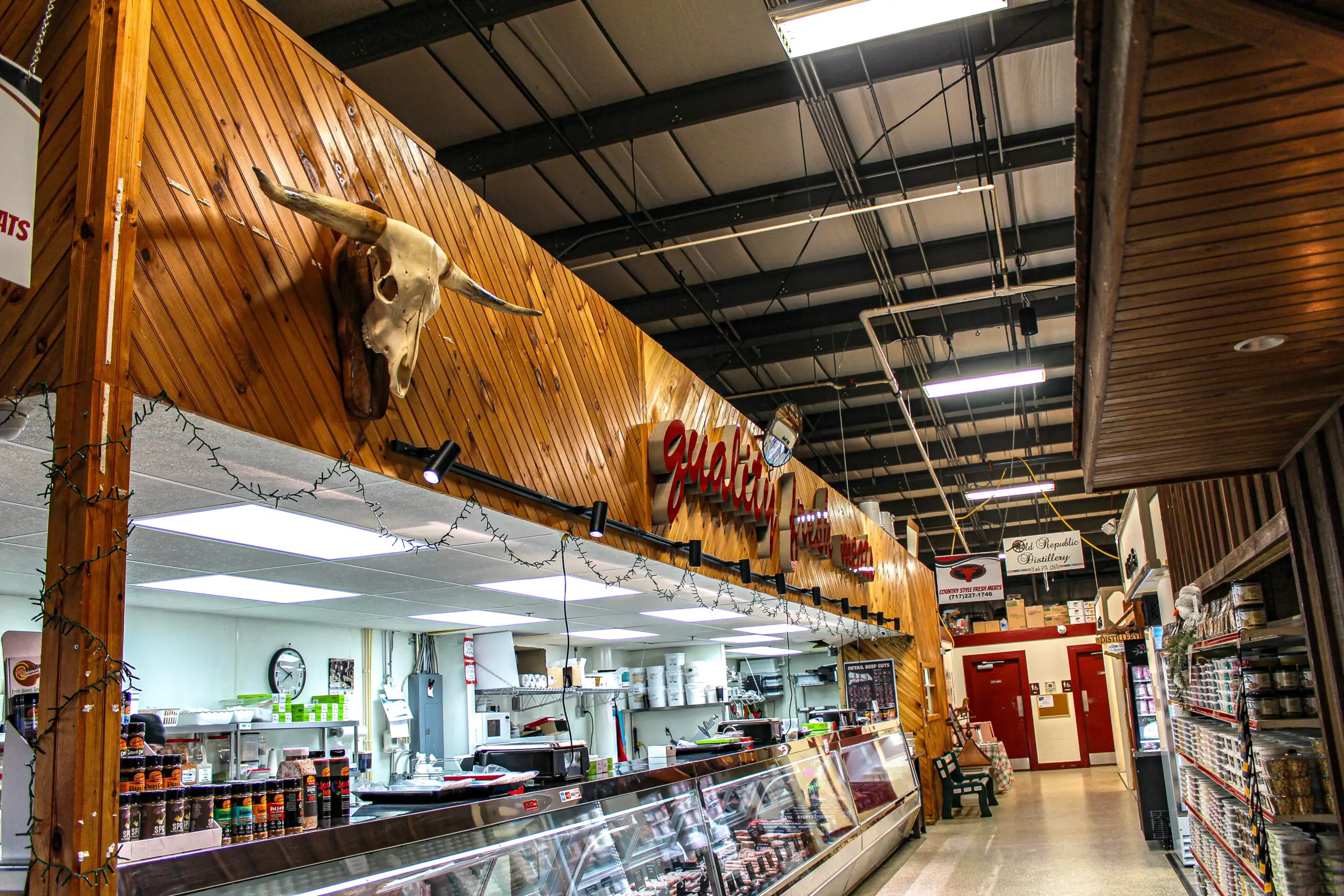


It’s high time to clean out the grill, slow cooker, or smoker. Because with savory, freshly butchered meats available from Country Style Fresh Meats year-round, your next mouth-watering meal is right around the corner.
But how do you know which cuts to choose? Especially with so many options and price points available. Well, aside from simply asking your local butcher (your best bet for many reasons), there are a few things to look for.
So to help you choose the freshest, most flavorful and nutritious meat cuts, we’ve put together the Complete Guide to Shopping for Freshly Butchered Meats. Give it a scan to find the perfect entrée for your next family get-together—no matter your tastes or budget.
How Do I Pick the Highest Quality Meat?
While all of the meat available from Country Style Fresh Meats and Country Style Family Deli is recently butchered, here are four ways to find the freshest cuts for your next savory meal.
1. Meat Color
Look for fresh beef that’s bright cherry-red in color—and avoid cuts with a brownish-gray hue. For vacuum-sealed cuts, healthy beef may appear darker purple, as it hasn’t been exposed to as much oxygen.
When shopping for pork, select meat with a pinkish-red color.
Poultry should have a clean and slightly glossy appearance—never dull or slimy.
2. Texture
Fresh, high-quality meats should feel firm and spring back slightly when pressed. If after pressing, an indentation remains—or the meat feels mushy—it may not be fresh and could be dangerous to consume.
3. Packaging
All packaged meats should be tightly sealed with no tears or punctures. Avoid packages with excessive frost or ice crystals, as these suggest temperature fluctuations or freezer burn—both of which dehydrate meat, giving it a tougher texture.
Additionally, excessive milky or pink liquid can indicate old meat or improper storage conditions—both of which can lead to health concerns if consumed.
4. Scent
Fresh meat should have little to no odor. If it smells sour or unpleasant in any way, notify a meat counter attendant to throw away the meat immediately.
How Do I Know Which Cuts to Choose for My Meal?
Your choice of cut depends entirely on what you’re cooking. If you aren’t using a recipe—or haven’t tried one of the suggestions below—this list will get you started.
- Steaks: Look for cuts with nice marbling—the small white flecks of fat throughout the muscle. Ribeye is famous for rich marbling, while New York strip offers a firmer texture with stronger beef flavor. For a premium steak that’s low-fat and tender, choose Filet Mignon.
- Tacos, Fajitas & Stir Fry: Flank steak or skirt steak are great choices for savory tacos, fajitas, and stir-frys. Both options cook quickly and absorb seasonings and marinades well.
- Slow Cooked Meals: For pot roasts and shredded beef sandwiches, cheaper cuts like Chuck roast, short ribs, and brisket work well. These tougher meats soften to an amazingly flavorful, melt-in-your-mouth texture after several hours in a slow cooker or Dutch oven.
Still looking for something to whet your whistle? Swing by The Markets to speak with the butchers at Country Style Fresh Meats or Country Style Fresh Deli. They’re both owned and operated by the Stoltzfus family, who’re happy to let you in on the best deals, cuts, and selections for your next succulent dinner.
In the meantime, here are Daniel Stoltzfus’s favorites (our local butcher at The Markets!):
“My personal favorite cut of steak is the Filet Mignon—with the Ribeye and Teres Major competing for second place. Most people don’t know that the Teres Major is the second most tender cut of meat, with the tenderloin being the first.
After that, my favorite roast to put in the crockpot is the Chuck Roast. And if I am slow cooking the meat, then it’s the brisket, made on the wood smoker, usually a 15-20 hour cook time.”
- Daniel Stoltzfus, Country Style Fresh Meats Butcher
Are More Expensive Cuts Always Better?
There is a widespread misconception that a higher price tag means better quality—but it isn’t always the case.
In fact, when it comes to the most flavorful meals, the most important element is matching the right cut with your preferred cooking method. So while tougher cuts like brisket, short ribs, or Chuck roast are less expensive than a tender Filet Mignon, all can offer amazing flavor when cooked properly.
The other consideration is that price often reflects local popularity more so than quality. For this reason, certain cuts may become more expensive simply because of demand.
If your favorites are sitting at the higher end of the price spectrum these days, here’s a tip:
Learn a few recipes that make use of lesser-known cuts like flat iron steak, tri-tip, or pork shoulder… And enjoy rich, savory dinners for less.
Should I Buy Fresh or Frozen Meat?
Many shoppers assume “fresh” automatically means better—but that’s not always the case.
In fact, meats are often frozen very quickly after processing to preserve both flavor and quality. When properly frozen, thawed, and cooked, flash-frozen meats can provide delicious meals comparable to fresher cuts—making them a fantastic option for meal-prepping and buying in bulk.
That said, fresh meat does offer a few advantages:
- Better texture for certain cuts (steaks, pork chops, chicken breasts)
- Flexible muscle fibers in fresh meat absorb seasoning and marinade better
- Fresh cuts stored in the fridge offer greater flexibility for upcoming meals
- No thawing required!
How Much Meat Should I Buy?
Not sure how much meat to buy?
Here are a few quick guidelines for your next trip to The Markets:
- Steaks & Chicken Breasts: One 6–8 oz portion per person
- Ground Beef: About ¼–⅓ pound per burger
- Pulled Pork & Shredded Beef: ½ pound per person before cooking
- Roasts: Roughly ½ pound per person for boneless roasts, more for bone-in
Of course, these are just general guidelines. If you’ve got a hungrier crowd, it may be worth purchasing more (no one regrets delicious leftovers for sandwiches). And again, ask your butcher. They’ll help you estimate portions, recommend economical cuts for larger gatherings, and make sure nobody leaves the table hungry.
Shopping Strategies for Your Next Trip to The Markets
A trip to visit your local butcher doesn’t have to be complicated.
Here’s how to make the most of your next meal:
- Talk to Your Butcher: Your butcher can recommend specific recipes, provide custom cuts, and even let you know when fresh shipments arrive. And at The Markets, our butchers love speaking with customers directly—so come with questions!
- Check Package Dates: Always check sell-by or use-by dates and choose packages with the latest date available. That way, you’re ensured the freshest cuts.
- Purchase Locally: When possible, buy from local farms, farmers’ markets, or organic butchers. Local meat often provides higher nutritional quality, juicier textures, more robust flavors, and sustainable farming practices.
- Buy in Bulk: If you cook often, consider buying in bulk and freezing. Properly frozen meats can last from 3–12 months, depending on the cut. And bulk buys are a great way to lower your grocery bills over the year!
Our Local Butchers Look Forward to Seeing You at The Markets!
Since 2001, The Markets at Shrewsbury has been considered one of the best Amish farmers' markets in Pennsylvania. Our traditional Amish marketplace features 18 unique vendors serving classic Pennsylvania Dutch fare, handmade crafts, clothing, and home goods. We look forward to serving you with some regional treats, farm-fresh meats and produce, and friendly conversation!